
Enjoy the deliciousness of high-quality Ganjang Doenjang (Miso Stew)
"Ganjang Doenjang Jjigae" is a dish characterized by its rich flavor and deep richness. The exquisite harmony of spiciness and umami, and the soup simmered with tofu and vegetables, create a heartwarming deliciousness. The umami and aroma that spread on your tongue with every bite bring a comfortable feeling of satisfaction. It's perfect for cold days or when you're looking for a heartwarming meal, and it will add color to your time with family and friends. A bite of Ganjang Doenjang Jjigae will make you feel the taste and culture of Korea, creating a happy atmosphere at your dinner table.
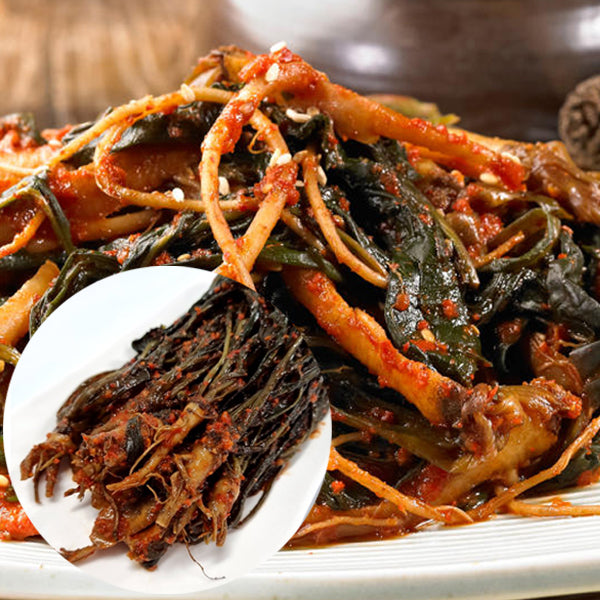
Once you experience the taste of high-quality Ganjang Doenjang (Miso Stew), nothing else will compare. The taste of barley rice on a pumpkin leaf, dipped in Ganjang Doenjang, is simply divine!
How to make Ganjang Doenjang (Miso Stew)

1. In 2 cups of rice water, add dried shiitake mushrooms, dried anchovies, and kelp, and let soak for 30 minutes.

2. Mix well the soaked shiitake mushrooms (1/2 handful), beef (1/2 handful) with dark soy sauce (1), honey (1), sugar (0.5), grated garlic (0.5), ginger powder (0.3), sesame oil (1), pepper, and sesame seeds.

3. Heat the pot from step 1 (with shiitake mushrooms removed).

4. Place the ingredients from step 2 in a Ttukbaegi (earthenware pot) and heat.

5. Add miso (3) and gochujang (1), pour in the broth from step 3, and simmer over low heat.

6. Add onion, green onion, hot chili pepper, red chili pepper, and tofu in that order, and it's done.

7. Ganjang Doenjang Jjigae is complete.

Serve a spoonful on barley rice...

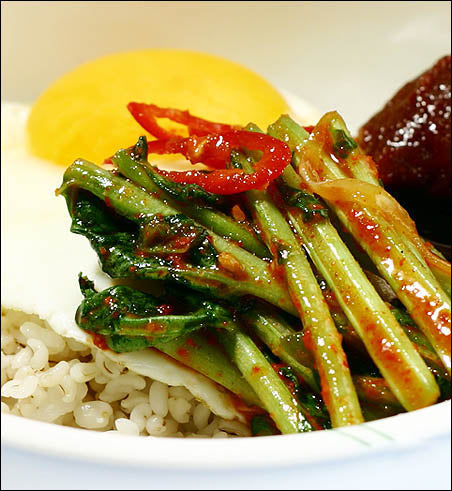
Lately, I've been seeing pumpkin leaves everywhere. Briefly blanch them, rinse them in cold water, and eat them with Ganjang Doenjang... (I'll leave the rest to your imagination.)
Tip) Ganjang Doenjang is a rich doenjang jjigae (miso stew) seasoned with meat, mushrooms, and vegetables in a shallow broth. It's not just salty; the umami and sweetness of the ingredients dissolve into the soup, creating a stew with a variety of flavors. Rather than being eaten as a stew on its own, it's often enjoyed like a side dish, mixed with rice, as introduced. The pumpkin leaves mentioned here are from Korean pumpkin, which closely resembles zucchini. In Korea, during summer, you can see pumpkins planted everywhere, not just chili peppers. The fibrous parts of the stems are removed, blanched briefly in salted water, squeezed dry, and used in ssam (wraps) with lettuce and other ingredients. Their slightly bitter taste pairs perfectly with Ganjang Doenjang.

![【宋家】一品のり缶 ギフトセット[8切x54枚(30g)X4缶入]](http://www.kankokuichiba.jp/cdn/shop/files/KS-4426-2405_9.jpg?v=1740377691&width=1100)
![【宋家】一品のり缶 ギフトセット[8切x54枚(30g)X2缶入]](http://www.kankokuichiba.jp/cdn/shop/files/KS-4427-240510_2.jpg?v=1740377693&width=1100)
![【宋家】一品のり缶 [8切x54枚(30g)]](http://www.kankokuichiba.jp/cdn/shop/files/KS-4424-2405_3.jpg?v=1740377695&width=1100)